

Products
View All ProductsTrailer Movers
Electric Tugs & Movers
If you need some help choosing a product or would like to book a demo, please get in touch using the link below:
Custom Electric Tugs

Applications
View All Applications
Super Power Pusher pushing metro cars at Helsinki Public Transport maintenance depot.

Power Pusher, with Roller Attachment, for pushing cable drums at Prysmian Cables.

Super Power Pusher, with Steering Arm, moving chemical ISO container into and out of wash bay.
About Us
Looking for a Power Pusher in your area?
Our electric tugs are sold globally through a network of helpful distributors.
News & Updates
Why More Businesses Are Planning the Move to Electric Handling in 2026
As more businesses review how heavy loads are moved around their sites, material handling is becoming an increasingly important focus for health and safety teams, operations managers and senior decision-makers. Manual handling remains one of the leading causes of workplace injury, while traditional methods for moving heavy loads are under growing pressure from tighter regulations, restricted working environments and rising sustainability expectations.
Electric handling equipment, including electric tugs and powered movers, is no longer viewed as a niche or future solution. It is now part of everyday operational planning for organisations looking to improve workplace safety, increase efficiency and reduce reliance on manual effort, without introducing unnecessary complexity or disruption to existing processes.


Preparing for the Future: Rethinking How Heavy Loads Are Moved Safely
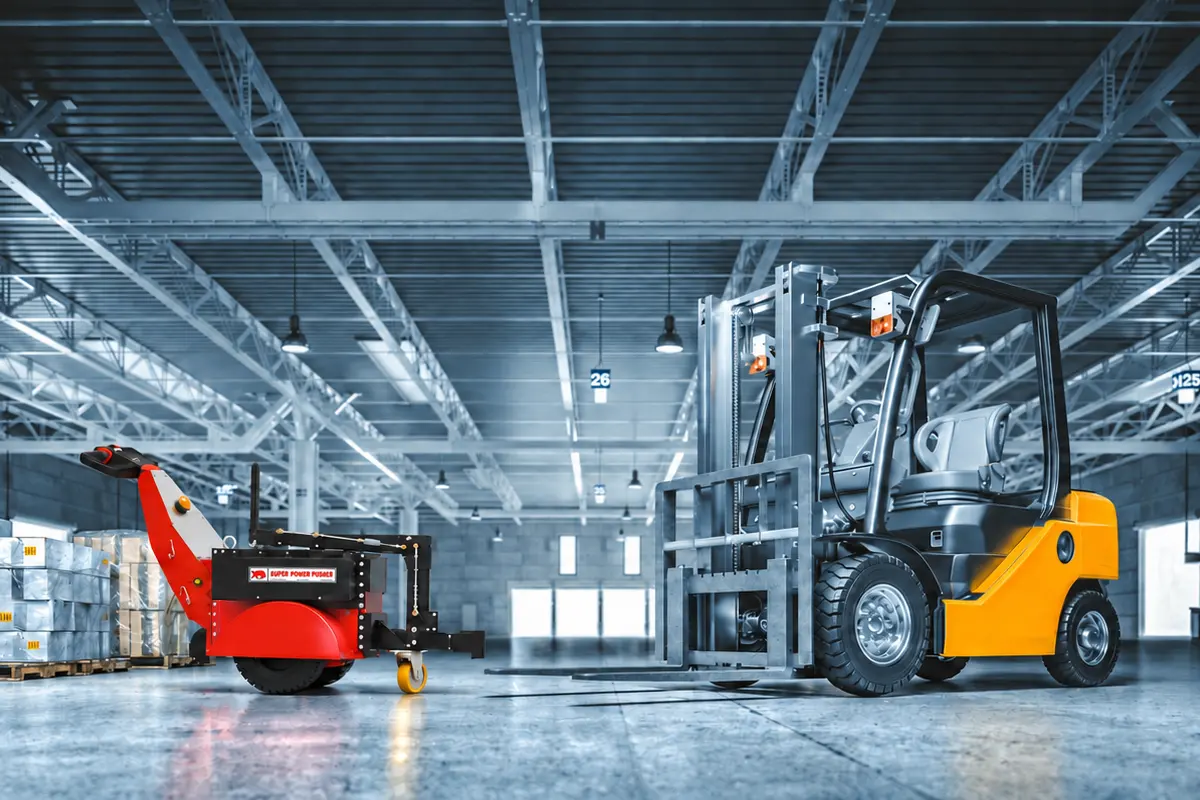
For many workplaces, the biggest challenge is not the weight of the load itself, but the environment in which it needs to be moved. Narrow aisles, busy production areas, shared pedestrian routes and limited manpower all increase the risk associated with manual handling and traditional handling equipment. In these settings, forklifts or manual pushing are not always practical or appropriate, particularly indoors or in confined spaces.
Electric tugs provide a more controlled and predictable way of moving heavy loads safely. By allowing a single operator to manoeuvre trailers, carts and wheeled equipment with precision, they reduce physical strain and improve overall control. This is especially valuable in environments where accuracy matters and where small handling errors can result in delays, damage or avoidable safety incidents.
A Growing Focus on Workforce Wellbeing
Workforce wellbeing is playing a much bigger role in equipment decisions across manufacturing, logistics and industrial environments. Businesses are increasingly aware that reducing manual handling risks is not just about meeting regulations, but about protecting experienced staff and reducing time lost to injury or fatigue. Repetitive strain, pushing injuries and long-term musculoskeletal issues can have a significant cumulative impact on both employees and productivity.
Electric material handling equipment helps address these challenges by removing the need for physical effort while keeping the operator fully in control of the load. This supports safer working practices, makes handling tasks more accessible to a wider range of employees and helps create a more sustainable working environment across shifts and teams.
Efficiency Without Over-Engineering
Another key reason electric handling solutions are gaining wider adoption is their simplicity. Unlike larger powered vehicles, electric tugs are designed to integrate easily into existing workflows and material handling processes. They typically require minimal training, no major changes to site layouts and very little supporting infrastructure.
This allows businesses to standardise how heavy loads are moved, rather than relying on a mix of manual handling and oversized machinery. The result is a more consistent, efficient and controlled approach to material handling that can be scaled across departments and applications.


Sustainability and Indoor Working Environments
Environmental considerations are also influencing how organisations approach material handling. Diesel and LPG-powered equipment is becoming less suitable for indoor use due to emissions, noise levels and ventilation requirements. At the same time, many businesses are setting clear goals to reduce carbon emissions and improve air quality within warehouses, factories and operational facilities.
Electric handling equipment supports these aims by producing zero on-site emissions and operating quietly. This makes electric tugs particularly well suited to indoor and mixed-use environments such as warehouses, manufacturing plants, airports and distribution centres, where safety, air quality and noise control are all critical factors.
Looking Ahead
As the approach to material handling continues to evolve, more businesses are taking a proactive view of how heavy loads are moved across their sites. Reviewing current handling processes and equipment plays an important role in improving safety, supporting staff and maintaining efficient day-to-day operations. Solutions such as electric tugs from Power Pusher are designed to support this shift, offering a practical and proven way to move heavy loads safely, reliably and with greater control.
Make an enquiry

Latest Updates
- Power Pusher vs forklift trucks: do you actually need to lift the load?
- Safer Paper Roll Handling in Paper Mills and Corrugator Plants
- Custom Electric Tugs: Tailored Solutions for Unusual Loads
- How the Power Pusher Range Can Support the Defence Industry
- Moving Heavy Loads on Rails Safely: Electric Tug Solutions for Rail Trolleys and Bogies
- Cable Drum & Paper Reel Handling: Safer Moving with Power Pusher Drum Pushers
- Hitachi Energy improves safe movement of production trolleys with the Super Power Pusher
- Material Handling Challenges in Manufacturing Facilities


